bing pixel

含羞草传媒

Orville and Gertrude Hognander Endowment Fund

鈥淚 guess you could say that if it weren鈥檛 for Augsburg, I wouldn鈥檛 be here,鈥 said Joe (Orville C.) Hognander, Jr. with a chuckle. The retired naval officer and private investor has deep Augsburg roots: his grandfather, Reverend Lars R. Lund, graduated from Augsburg Seminary in 1912 and his parents, Gertrude Lund and Orville Hognander, met during their Augsburg Class of 1936 freshman registration.

Reverend Lars R. Lund, ’12

Gertrude and Orville shared a lifelong love of music. Gertrude began playing the piano when she was five and subsequently played the organ in her father鈥檚 church while still in her teens. Orville, who also grew up surrounded by church music, supported his dad鈥檚 ministry by serving as announcer for the family鈥檚 weekly WDGY radio program of music and the spoken word. Joe recalls hearing classical music regularly in their home, especially from their complete collection of New York Philharmonic Orchestra鈥檚 78 RPM records in the pre-FM聽radio days.

Gertrude Lund and Orville Hognander

While students at Augsburg, both Gertrude and Orville were deeply involved in the newly formed choir, Gertrude as piano accompanist and Orville as the announcer/business manager. Most notably in 1935, he created and produced the 鈥淗our Melodious,鈥 a weekly radio program on WCCO featuring the 50-member choir. He also planned and arranged the choir鈥檚 first tour, which covered 20 concerts and more than 2,000 miles.

After Augsburg, the Hognanders served their communities in many ways. Gertrude became a teacher and music education supervisor in Escanaba, Michigan, before marrying Orville and moving to Minneapolis in the early 1940鈥檚. She became organist and director of several church choirs and joined, among other groups, AAUW, the St. Louis Park Woman鈥檚 Cub, and the United Nations Association of Minnesota, eventually becoming president of those associations. In 1973, she received Augsburg鈥檚 Distinguished Alumni Award.

Orville began work for the Tennant Company as a salesman in the Detroit area, advancing rapidly to become vice president at age 31 and member of the Board of Directors eight years later. At the same time, he rose through the ranks of the National Sales Executives, becoming vice chairman in the early 1950鈥檚. Sadly, at age 43 he suffered a major stroke that paralyzed his right side and required him to re-learn how to walk, talk, and write. Through great determination, he succeeded and was able to resume his responsibilities at Tennant, where he negotiated foreign business agreements that opened markets in Europe and Japan.

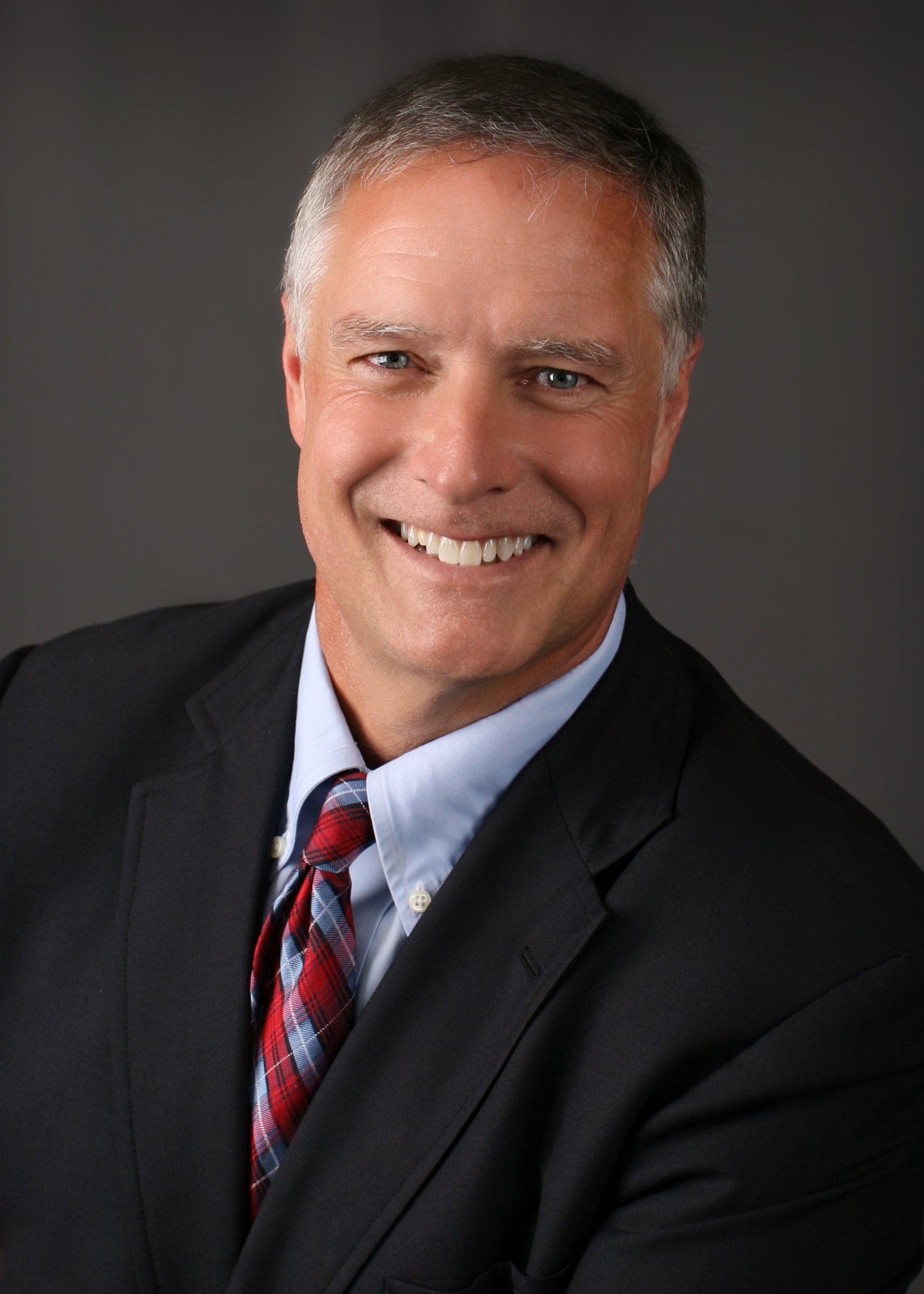
Joe (Orville C.) Hognander Jr.

Joe recalls how his father gave great thought to where his money should go when he was no longer here. It was a difficult decision but in the end he chose to support those organizations and causes that had been of greatest importance to him during his life.

After he died in 1997, his will provided money to Augsburg College to create the Orville and Gertrude Hognander Endowment Fund, which specifies full tuition funding for an outstanding junior and senior in the Music Department. The department faculty selects the recipient based on past performance during their freshman and sophomore years at Augsburg or another college as well as their potential for future distinction.

鈥淭he scholarship鈥檚 goal is to provide a strong incentive to encourage and reward excellence for those in the music field,鈥 noted Joe. 鈥淚 have been very impressed with each one of the past winners.鈥

Strong Behind-the-Scenes Supporters

鈥淭hree old-timers鈥 – The Egertsons and their 1930 Model A Ford Coupe.

David Egertson and his wife, Edith, never attended Augsburg College, but their family ties and commitment to the Lutheran Church certainly explain their enthusiasm for the place.

鈥淲hen I was young, I wasn鈥檛 interested in college, and as it turned out, I did fine without it,鈥 says David, a former railroad marketing executive whose extended family included several pastors and one bishop. 鈥淭he idea of a Christian education meant a lot to my father, but he couldn鈥檛 afford to attend college. If one of his kids expressed an interest in college, Dad encouraged and helped to send them to Augsburg. Three of my brothers and two of our children went there.鈥

David and Edith Egertson celebrated their 65th wedding anniversary in June 2016.

To honor their father鈥檚 values, David鈥檚 brother, Darrell Egertson 鈥55, an Augsburg Regent Emeritus, established the Ernest S. Egertson Scholarship in 1992 to provide encouragement and financial assistance to students preparing for a Christian service vocation.

鈥淐hristian service was what my dad stood for, and that鈥檚 what the family wants to honor,鈥 says David. 鈥淒arrell and his wife Helga were the early supporters of the聽scholarship, but Edith and I soon became involved. At first we made smaller contributions, but now that we鈥檙e doing legacy planning, we want to include Augsburg College in our estate. Our Christian heritage means so much to us. We want to pass that along.

鈥淏ecause of my work, we moved around a lot鈥攚e lived in seven cities and 12 different homes. Faith and church are the central focus of our life, so we always got involved with a Lutheran church.聽We are charter members of the congregation where we now worship here in St. Louis. Edith was the first organist at this church and is still engaged in music, including singing in a church octet,鈥 he says.

Making lefse is an annual ritual for the Egertsons.

The Egertsons like that Augsburg is located in the heart of Minneapolis, where they once lived, and where students from all walks of life have the opportunity to be exposed to Christian faith and values that may influence them indirectly. 鈥淲e hope the scholarship will help someone who couldn鈥檛 go to college otherwise. The idea is to make a difference, and to us, this is a way of spreading the gospel,鈥 David says.

The Egertsons also like knowing that years from now, their endowment will change the life of someone they鈥檝e never met by offering them an education and exposing them to the possibilities of Christian service. As David puts it, 鈥淭o us, the endowment is a gift that keeps on giving鈥攊n perpetuity. That鈥檚 the beauty of it.鈥

Golf as a Guide to StepUP


Jon Schwingler
Jon Schwingler

For many, golf is more than a game. It can be a metaphor for life, a way to connect, or an ongoing reminder of challenges faced and rewards hard won. Jon Schwingler remembers being on a golf course when he聽first became aware of the strength and reach of the StepUP program, which he has recently chosen to endow with an estate gift.

In 2010, Schwingler was invited to play in the StepUP fundraiser golf tournament with his friend, Toby LaBelle 鈥96, and Toby鈥檚 father, Tad Piper. Toby is a Board of Regents member and former StepUP advisory board chair, and his mother, Cindy Piper is the current vice chair, so it took far fewer than eighteen holes for Schwingler to grasp one essential fact. 鈥淭his program is a huge game-changer for families who struggle with addiction,鈥 he says.

A Saint John鈥檚 University graduate and wealth management consultant, Schwingler has faced similar issues. 鈥淩ecovery has been a big part of my life, and that is part of what opened my eyes,鈥 says Schwingler, who has celebrated more than seven years of sobriety. Within a year after that golf tournament, Schwingler learned of two friends whose children were floundering college drop-outs. He accompanied the families on a visit to Augsburg, where the young people eventually found a safe home, sober dorm, and college degree. So when Schwingler was invited to join the advisory board, the answer was a resounding yes.

鈥淛ust knowing that there is an option for students to leave other environments and come to Augsburg is so important. Some graduates I know personally might not have earned a college degree if they had not had the opportunity to be in a safe environment,鈥 he says. 鈥淚t is a place of hope for parents. It is life-changing.鈥

Though his StepUP connection, Schwingler also came to love the college itself. 鈥淚 had a pre-conceived notion of what Augsburg is and was鈥攁 little Lutheran school next to the University of Minnesota, a place I鈥檝e often driven past. But now that I鈥檓 involved and see more of it, I have a much greater awareness of its urban location and real urban feel, and of many peers I never knew were alumni. I鈥檝e found that people always loved their time at Augsburg.鈥

Jon Schwingler (center) and family hunched in football formation
Jon (center) and wife Julz (left) with their three kids

Schwingler finds much to applaud: student diversity, progressive buildings such as the new Hagfors Center for Science, Business, and Religion, specialties such as engineering, and graduate programs such as education. As a father to three not-yet-teenagers who struggle with ADHD, he particularly appreciates Augsburg鈥檚 acceptance of and support for students with disabilities of all kinds.

He uses golf to explain. 鈥淢ost colleges want students who shoot straight down the middle of the fairway. Others aren鈥檛 going to do well in those places. For those who have to play in the first or second cut of rough, it鈥檚 challenging,鈥 he says. 鈥淎ugsburg has embraced them and even built programs around them. The Gage Center for Student Success, for example, is amazing. I like to think of Augsburg as the little engine that could.鈥

In addition to planned giving, Schwingler remains active on the StepUP advisory board and invested in its future. He envisions a transition home for new graduates, for example, as well as more room for StepUP on campus. Another goal is creating more awareness among other universities as well as getting the word out to family members and communities. 鈥淲e鈥檝e built good relationships with different treatment centers, such as Hazelden Betty Ford, and sober high schools in town, but we need to reach people in other geographic areas who feel they鈥檙e in hopeless situations with their kids. How about Chicago? All those things come down to funding,鈥 he says.

鈥淥ne of the great things about this program is that any college in the country can look at our model and adopt it. We give it away,鈥 he adds. Contributing to such a profound mission feels like making a hole-in-one鈥攐r maybe even better.

Appreciation for the Interdisciplinary Inspires Art Sponsorship

Scott D. Anderson

As a young man just out of high school, Scott D. Anderson 鈥96 had already developed a love for drawing and painting. He had artistic talent, but the skills necessary to make a full-time living pursuing art were then beyond his reach. He became a chemical technician at 3M instead, launching a career that has helped him come full circle, back to his first love through philanthropy.

鈥淎rt inspires me,鈥 says Anderson, who is sponsoring 鈥淎 Song of Dust鈥 by collage artist Stephanie Hunder in the Hagfors Center for Science, Business, and Religion through the Art & Identity program. 鈥淓ver since I got my chemistry degree, I鈥檝e wanted to give something back to Augsburg. I鈥檓 very grateful to Augsburg for giving me the opportunity to obtain a degree in science. Now I can return the favor.鈥

With the support of his employer, Anderson completed his chemistry degree through Augsburg鈥檚 Weekend College. It took him about six years while working full-time. He has been a regular donor to the Augsburg Chemistry Alumni Scholarship ever since, and he has also devoted more than 36 years to 3M, where he is now a senior research chemist in the Infection Prevention Division.

The art he chose for Hagfors Center is a 6鈥 by 12鈥 piece comprised of five panels, one of which had already been sponsored. Anderson will sponsor two panels, and 3M鈥檚 employee matching gift program will cover the remaining two. Stephanie Hunder, gallery director and art professor at Concordia University in St. Paul, uses printmaking and photography to create images of actual objects, such as branches and grasses pressed into paper, that often mimic scientific recording in some ways. Anderson spotted her work while exploring an entire room of art proposed for the Art & Identity campaign.

鈥淲hat she put on the canvas was partly scientific and partly artistic, so it represented the sciences and the arts at the same time. In fact, it represents what I do now at 3M鈥攃hemistry, engineering, biology. It all flows together. It meshes,鈥 says Anderson. 鈥淭o see art on the walls when you walk around campus is pretty inspiring, at least for me.鈥 The piece will appear with a small recognition plaque in a prominent hallway near the physics area in the Hagfors Center.

The Hagfors Center is slated to open next January. Meanwhile, though he is not yet ready to retire, Anderson is beginning to rediscover his talent for art, using pen and ink, watercolor, and acrylics in occasional projects. 鈥淪ometimes I surprise myself,鈥 he says. 鈥淚 believe it is important to mix art with academics, as well as mixing humanity studies with science.鈥

鈥 Cathy Madison

Stepping Up for the StepUP Fund

Cindy and Tad Piper

About 25 years ago, young Toby Piper LaBelle 鈥96 had already learned a few things. He鈥檇 taken a year off after graduating from Breck School and gone west to teach skiing, which convinced him that he aspired to more than a minimum-wage job.聽 And he鈥檇 spent time in treatment for addiction, which taught him that staying sober was the only way to ensure success in college.

鈥淭oby wanted a local school and chose Augsburg. It was the right place for him. He felt comfortable there,鈥 says his mother, Cindy Piper. But he wasn鈥檛 comfortable sharing a dorm with students who drank alcohol, so he moved into an apartment off campus. Eventually he approached Don Warren, then director of the Academic Skills Center at Augsburg, about the need for a safe, sober place where students in recovery could live and support each other. In 1997, under Warren鈥檚 direction, the StepUP program was born.

The Piper family have been staunch supporters ever since. Cindy and her husband, Tad Piper, retired CEO and chairman of Piper Jaffray, recently pledged $500,000 to establish the Piper Family Executive Director of Recovery Advancement as well as to inspire others to contribute to the StepUP Program Endowed Fund. 鈥淲e wanted to give a significant gift to get this program off the ground,鈥 Cindy says. They have currently raised $5.2 million toward their $10 million endowment goal.

Thanks in part to Toby鈥檚 advocacy, StepUP became one of the first residential recovery programs in the nation and continues to be viewed as the gold standard for residential collegiate communities. Six months of recovery is required before students are admitted, and infractions are not tolerated. Today about 90 students are enrolled, and they maintain high abstinence rates and an average GPA of 3.2.

Cindy Piper at the 2016 StepUP Gala.

鈥淎ddiction is an ugly, cunning, baffling disease. Young people have to make up their minds they don鈥檛 want to be in it,鈥 says Cindy. 鈥淚 just feel so strongly about recovery for all people, especially young people who want to go to college. Toby鈥檚 business degree from Augsburg has served him well.鈥 Now senior vice president at Northland Securities and a father of three, Toby is former chair of the StepUP Advisory Board and a member of the Augsburg College Board of Regents.

Cindy, who spent nine years as a trustee on the Hazelden Foundation, is now vice-chair of the StepUP board, where she organizes galas that gross half a million dollars a year. 鈥淭hat鈥檚 an unusual amount of money in recovery organizations. We鈥檝e been able to add to the endowment through our proceeds,鈥 she says. 鈥淎s my son reminds me, we must keep in mind that we are changing lives. That鈥檚 the magic of the recovery community.鈥

鈥 Cathy Madison

Historian and Art Sponsor Phil Adamo

Photo by Stephen Geffre.

If you crossed paths on the Augsburg campus with history professor Phil Adamo, you would quickly learn of his enthusiasm for the history of the place. You may even hear him share one of the many stories that make Augsburg鈥檚 150-year history so intriguing.

Phil Adamo came to Augsburg in 2001, after completing his PhD in medieval history at The Ohio State University. In 2015, he was named 鈥淢innesota Professor of the Year鈥 for 2015 by the Carnegie Foundation for the Advancement of Teaching and the Council for Advancement and Support of Education, the same year he began as Director of Augsburg鈥檚 nationally recognized Honors Program. Since 2013, he鈥檚 been working with students on a history of Augsburg for its sesquicentennial celebration in 2019.

When asked what made him decide to sponsor a work of art for the Hagfors Center Art and Identity initiative, here is what he said:

Adamo worked in the College archives with students, including Caitlin Crowley 鈥16, as part of a class documenting the history of Augsburg. Photo by Stephen Geffre.

鈥淢ost people don鈥檛 know I鈥檓 a bit of an art collector. I go to all the student shows and have purchased student self-portraits and other contemporary art. I鈥檓 a fan of art and want to support artists. When I found out about the Art and Identity initiative, I started looking at the portfolio of stories about the artists. In fact, I watched every video story on the various artists.

鈥淚 noticed the collection includes work by former campus photographer Stephen Geffre. Stephen and I have worked on several projects together over the years. In my current work, writing the history of Augsburg, Stephen took many of the images I鈥檓 using. I鈥檝e also bought some of his photography. Then I found out he is a multi-dimensional artist, working as a sculptor. The piece he鈥檚 doing for the Hagfors Center appeals to me because it brings to life something of the College鈥檚 past. . Continue reading “Historian and Art Sponsor Phil Adamo”

Estate Gift Supports Future of Choral Music at Augsburg

The foundation for the career success and generosity of John Schwartz 鈥67 was laid early, in Lester Prairie, then a town of 1,000, 50 miles west of the Twin Cities. There, long before he pledged a substantial estate gift to fund Augsburg鈥檚 choral music, he grew up in a musical family, singing and playing piano, pipe organ, and percussion. There, to keep school activities such as student government, sports, band, and theater alive, everyone had to participate. And it was there that his parents seeded his commitment to education, hard work, mutual respect, and philanthropy.

鈥淢y father valued education because he never had it,鈥 Schwartz says. His father, Norman, was in 8th grade when his mother died in childbirth; he quit school to help raise four younger siblings. But he was ambitious and built a life as a farm implement dealer, bulk propane distributor, inventor, and manufacturer. Buyers for his patented tip-down truck bed came from as far away as Oregon, Schwartz discovered years later while working there.

鈥淲hen I was in high school, he told me that I should get a business degree because it prepares you for many things,鈥 recalls Schwartz. He remembers sitting at the kitchen table one morning while his mother read a 鈥渉ot jobs鈥 article in the newspaper. 鈥淪he told me that hospital administration was one of them. So when I took my ACT test and had to put down my future goal, I wrote 鈥榟ospital administrator.鈥欌 The ACT supervisor saw it and scoffed aloud; formally educated hospital administrators were rare then, and what kind of young person would choose such a career anyway? A determined one, apparently.

John Schwartz on campus with Auggie Eagle in February.

Augsburg College was for Schwartz a natural fit: Lutheran, affordable, well-respected, and his best friend鈥檚 first choice. Though the diverse neighborhood initially made him nervous鈥斺渋t certainly wasn鈥檛 Lester Prairie!鈥濃擲chwartz learned to love the downtown proximity, riverfront gatherings, and especially singing baritone in the Augsburg choir. The five weeks they spent touring Norway, Denmark, and Germany during his sophomore year were transformative. Continue reading “Estate Gift Supports Future of Choral Music at Augsburg”

Wefring Establishes Scholarship to Honor Edor Nelson

Larry Wefring’s established a scholarship聽in tribute to the encouragement he received as a youth from his late neighbor Edor Nelson ’38.

鈥淐hildren need a lot of guidance, and it鈥檚 good to have a coach on your side as you鈥檙e growing up. He was a coach to me,鈥 Larry Wefring says of Edor Nelson, the legendary Augsburg coach who died in 2014 at age 100. Wefring鈥檚 $100,000 estate gift will establish the Edor Nelson Memorial Scholarship, but it should be noted that Wefring neither attended Augsburg nor played football for Nelson. Their relationship went far deeper.

鈥淪ports are a fabulous teacher of life,鈥 Wefring acknowledges. 鈥淭hey teach you that you win some and you lose some, but what鈥檚 important is that you work together. To be successful in the business world, you need to be a team player.鈥 While he now understands this concept, traditional sports were not accessible to Wefring while he was growing up across the alley from Edor Nelson鈥檚 family in south Minneapolis.

Wefring was diagnosed with epilepsy at age seven. Subject to seizures and heavily medicated, he was often targeted by bullies and decided to drop out of public school in 9th grade. Leaning on the support and encouragement offered by Edor Nelson, he enrolled in Minnehaha Academy instead. Having learned electrical and woodworking skills from his handyman grandfather, Wefring had helped his neighborly coach wire his basement. In return, Nelson offered his young neighbor rides to school. They became friends.

鈥淟arry had his frustrating days, but my dad kept telling him that he could be somebody, that he shouldn鈥檛 listen to anyone who said otherwise. My dad was a genuine people person, one of those comforting guys you could sit and talk to. He and my mom were always there for Larry, and Larry realized that. Now he is giving back,鈥 says Bruce Nelson 鈥71, Edor鈥檚 son and Augsburg鈥檚 A-Club Advancement Manager.

Naysayers pronounced Wefring too dumb for college, but Wefring went anyway, earning a psychology degree from Mankato State University. He found yet another mentor in Stanley Hubbard, who hired him at Hubbard Broadcasting, where he worked happily for more than three decades before retiring in 2006 to care for his aging parents. He struggled with his disability for much of that time, adjusting his medications to reduce brain fog and, in 1987, undergoing successful鈥攁nd life-changing鈥攅xperimental brain surgery in Canada.

Wefring lauds Hubbard for teaching him servant leadership, for showing him that Protestantism and the work ethic are two sides of the same coin, and for inspiring all to 鈥渁lways do the right thing.鈥 But ultimately, Wefring concludes, it was education that turned his life around.

鈥淚 was already at a disadvantage, but education offset that. That鈥檚 really, really important to remember.

鈥橝s a man thinketh, so he is,鈥欌 adds Wefring, whose Lutheran faith and spirituality have always guided him. 鈥淭rouble is a blessing. It lets you look for the paradoxical nature of life, and learn to be captain of your own ship. But you have to have a dream.鈥

The Edor Nelson Memorial Scholarship will target students who have a disability, physical or otherwise, and who also aim high. 鈥淚 told Edor that I wanted them to have a dream, and he said, 鈥業 do too,鈥欌 Wefring says. 鈥淎nd then I told him that I also wanted them to have an extra burden to bear, something that makes graduation tougher than it is for most people. And he said, 鈥業 do too.鈥 We were always on the same wavelength.鈥

Wefring never considered a scholarship in his own name, much preferring that it honor someone as well-known and revered as his former neighbor. He finds being able to share his legacy with institutions that mirror his faith and world view a blessing, and more than enough reward for a life well-lived.

鈥淚 gave it my best shot,鈥 he says. 鈥淢y dream has come true and then some.鈥

鈥 Cathy Madison


Bethlehem Lutheran Honors Quanbeck with Art Sponsorships

Pastor Quanbeck leading his weekly Bible study at Bethlehem Lutheran Church.

The Rev. Dr. Philip Quanbeck, Sr. 鈥50 is one of the most decorated faculty members in the history of Augsburg, even among the 80 or so Quanbeck extended family members in the Augsburg fold. So it is little wonder that he is also claimed by Bethlehem Lutheran Church, at 4100 Lyndale Ave.聽South聽in Minneapolis, where he became a beloved visitation pastor after retiring from teaching in 1993 and was named Pastor Emeritus in 2010. Bethlehem Lutheran has chosen to honor him by sponsoring two pieces of art in the Hagfors Center for Science, Business, and Religion.

鈥淓veryone just adores him,鈥 says Rianne Leaf, who chairs Bethlehem Foundation鈥檚 grants committee. 鈥淗e is such a warm human being, and he has a wonderful way of drawing people out and involving them in discussions. He is not a lecturer as much as a leader, and his insights are profound.鈥

Quanbeck reading at Advent Vespers services in 2004.

Now in his mid-90s, Quanbeck still attends church on many Sunday mornings. He is known for arriving at 8 a.m. to hear the sermon, then adding its points to his Bible study discussion at 9 a.m. Forty to sixty people have often packed the room to participate in the lively conversations he guides.

鈥淲hen Augsburg applied for a grant, we knew we wanted to honor him,鈥 Leaf says. Although the $10,500 grant was approved a year ago, it was last November when Augsburg displayed more than 25 signature art concepts chosen for the Hagfors Center and invited potential sponsors to meet the artists. The Bethlehem Lutheran arts committee wasted little time deciding which to sponsor.

鈥淲e all immediately agreed on the sunburst. Then one of our committee noticed a beautiful woodsy landscape that reminded us of Phil and Dora and the cabin they love. The more we looked at it, the more intrigued we became, and we made a unanimous decision about 15 minutes later to also purchase that one,鈥 Leaf recalls. 鈥淭hat was a fun process.鈥

Let There Be Light, by Kristin Opalinski ’03.

The sunburst, titled 鈥淟et There Be Light,鈥 will be a large three-dimensional piece of ceramic, glass, grout, and fiberglass by Kristen Opalinski 鈥03. The fine and studio arts graduate became a graphic designer and marketing expert and now uses her expertise to explore faith and social justice. Leaf says the piece reminded them of Quanbeck鈥檚 interest in and great respect for the world鈥檚 many religions.

Observation, by Tiit Raid.

The landscape artist is Tiit Raid, who hails from Estonia, earned his BA and MA degrees from the University of Minnesota, exhibits widely, and has worked from his Fall Creek, Wisconsin, studio for the past 40 years. His piece, 鈥淥bservation,鈥 is a 23鈥 by 68鈥 acrylic on paper piece mounted on a wood panel. It includes phrases along the borders, and he has agreed to incorporate some of Quanbeck鈥檚 words in the finished artwork.

Leaf said that the group was thrilled to learn, after choosing the pieces, that both were already slated for display in the religion wing. 鈥淎s you come down the hallway, you鈥檒l see the sunburst at the end. We loved that impact,鈥 she says. 鈥淭he other will go above a study shelf, where students will be able to study, philosophize and daydream while looking up at it.鈥

Leaf said the group is looking forward to meeting with Quanbeck to procure his favorite sayings. 鈥淗e is so humble but so pleased that we are honoring him with this award,鈥 says Leaf. 鈥淎nd we all hope to be there for the dedication in September or October.鈥

鈥 Cathy Madison

A Year at Augsburg, and an Impact for Life


It took just one year for Augsburg to make its indelible mark on Marlys Morland 鈥54, who has pledged a sizeable increase to the Marlys B. and Robert Backlund Morland Scholarship, established in 2011 as part of the couple鈥檚 estate plan.

鈥淚 really did like Augsburg. The Christian influence was so sincere, and faith entered into everything,鈥 says Marlys. 鈥淚 was there when Bernhard Chistensen was president. His wife used to come over to the dorm for an evening talk with us. They were just good, kind people.鈥

One thing she remembers about her year at Augsburg was a dentist鈥檚 visit to her health class, where he had to listen to student complaints about rising dental care costs. Coincidentally, she had to have three wisdom teeth removed that summer. The $150 bill meant that she had to drop out of school, even though she was working 20 hours a week at Swedish Hospital, making 93 cents an hour.

鈥淚 found out partway through the year that other college students only got 76 cents an hour, so I was lucky. But I never got a penny from my parents鈥攖hey couldn鈥檛 afford it鈥攁nd I knew I wasn鈥檛 going to be able to go back to school,鈥 she says. Instead, she took a national Lutheran youth leader鈥檚 advice to move to Helena, Montana, where she discovered her love for working with young people and also taught adult Bible classes. She went on to become a parish worker in Portland, Oregon, where she met her husband. The couple settled in Newberg, Oregon, in 1971.

When the youngest of their three children entered school, Marlys finished her degree at Portland State University and taught elementary and junior high school for 25 years. She retired early to travel with her husband, Robert, until he died in 2008.

Thanks to her career and extended family experience, she understands the special challenges and struggles that even the most academically gifted students face. 鈥淲e designed our Augsburg scholarship to support the StepUP program. We also support students who are majoring in Bible and planning to go on to seminary,鈥 she says. 鈥淭here is such a need these days. I don鈥檛 want them to have a lot of debt when they are ready to start their work.鈥

Marlys notes how much Augsburg and its student population have changed. She grew up near Alexandria in Holmes City, population 65, where 鈥渨e went to the Swedish Lutheran Church. We knew people who went to the Norwegian Lutheran Church, and some who went to the Finnish Lutheran Church, but we thought the Germans were really different,鈥 she recalls.

She embraces the Augsburg of today. 鈥淲e meant well, but we didn鈥檛 think about helping the community. We were struggling just to take care of ourselves, and everyone was just like us,鈥 she says. 鈥淭oday students are reaching out and helping others in the community who aren鈥檛 just like them. That is so important.鈥

鈥 Cathy Madison